
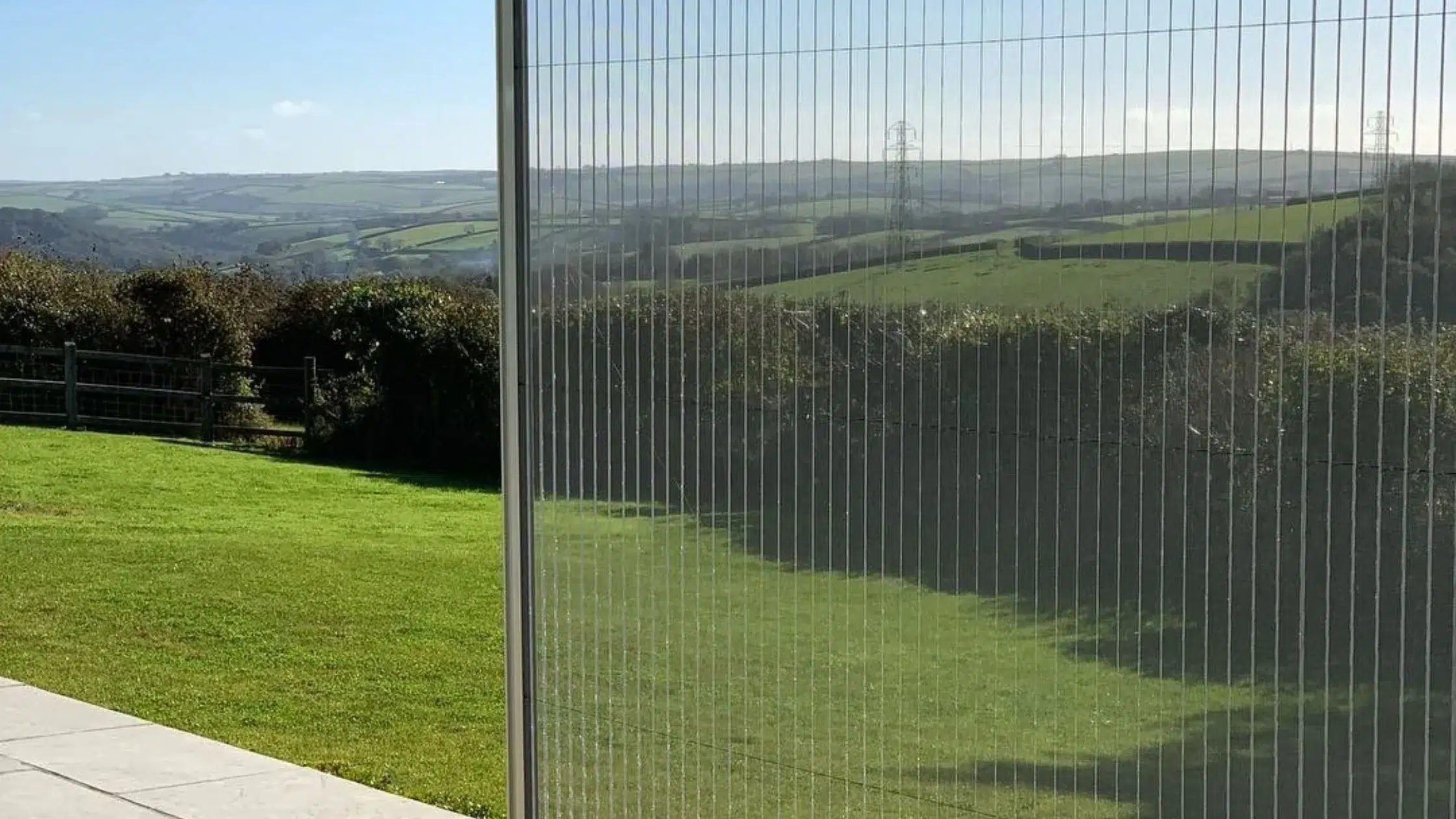
Fly Screens for Windows and Doors: Choosing the Right Fit for Your Home
However, choosing the right screen is not always simple. Windows and doors come in different sizes, styles and opening systems. A screen that works perfectly for a bedroom window may not be suitable for a large sliding door or patio entrance.
For Canberra homeowners, selecting the right solution means considering the property’s design, ventilation needs, household activities and local conditions.
At Topnotch Blinds & Shades, we understand the importance of choosing quality fly screens that combine functionality, durability and style. This guide explains how to select suitable fly screens for different openings, explores popular screen styles and highlights important factors to consider before installation.
Why Fly Screens Are Important for Canberra Homes
Canberra experiences changing seasonal conditions throughout the year. During warmer months, homeowners often open windows and doors to enjoy natural airflow. Fresh air can make indoor spaces feel more comfortable and reduce the need to rely on cooling systems throughout the day.
However, open windows and doors can also allow insects to enter. Mosquitoes, flies and other pests can quickly become a problem, especially during warmer weather.
Installing quality screens provides a practical solution. They create a protective barrier while allowing air to move through your home.
Some important benefits include:
- Better ventilation: Enjoy fresh air without leaving openings completely unprotected.
- Insect protection: Help prevent mosquitoes, flies and other unwanted insects from entering.
- Natural lighting: Maintain access to daylight without keeping curtains closed.
- Everyday comfort: Enjoy open living spaces with fewer insect-related interruptions.
- Convenience: Keep windows and doors open when weather conditions are suitable.
- Improved usability: Make bedrooms, kitchens and entertaining areas more comfortable.
The key is choosing a screen that matches each opening correctly.
1. Understanding Different Types of Window Fly Screens
Windows are among the most common places where insects enter a home. However, not every window operates in the same way. Some slide horizontally, while others open outward or upward.
This means the screen must suit the window’s design and available installation space.
Window Fly Screens are available in several styles, allowing homeowners to choose a practical option for different rooms.
Fixed Window Fly Screens
Fixed screens are designed to remain in position within a window frame. They provide continuous insect protection and are often a practical option for windows that do not require frequent access from outside.
Their simple design makes them suitable for bedrooms, living rooms and kitchens.
Main advantages include:
- Simple construction and operation.
- Consistent insect protection.
- Suitable for many standard window openings.
- Available in different mesh materials.
- Generally easy to clean and maintain.
- Can be made to measure.
Fixed screens are worth considering when you want a straightforward solution without moving parts.
Sliding Window Fly Screens
Sliding windows are common in many Australian homes. They are designed to move horizontally along a track, making them convenient for ventilation and everyday use.
Fly screens for sliding windows need to work with the movement of the window. A correctly fitted screen allows the window to open and close without unnecessary obstruction.
These screens are particularly useful in bedrooms, kitchens and living areas.
Before choosing a product, consider the following:
- The direction in which the window slides.
- Available frame space.
- Track dimensions and condition.
- Required mesh material.
- Ease of removal for cleaning.
Accurate measurements are essential because an incorrectly fitted screen may move poorly or leave gaps around the edges.
Retractable Window Fly Screens
Retractable screens are designed to move away when they are not required. Depending on the system, the mesh rolls into a compact housing or retracts along a guide.
They are useful for homeowners who prefer an unobstructed view when insect protection is not needed.
These systems can suit selected window designs, although available options depend on the opening dimensions and manufacturer’s specifications.
2. Choosing the Right Fly Screens for Sliding Doors
Sliding doors provide convenient access to patios, balconies, gardens and outdoor entertaining spaces. Because they are used regularly, their screens need to be practical, durable and easy to operate.
Fly Screens for Sliding Doors are designed to cover larger openings while allowing the door to move smoothly.
A suitable screen should provide reliable insect protection without making everyday movement difficult.
Fixed Sliding Door Screens
Fixed screens can provide permanent insect protection across selected door openings.
They are useful where the screen does not need to retract and where the door configuration allows a fixed panel to be installed.
These systems are often considered for standard residential applications.
Sliding Fly Screen Doors
Sliding screen doors move along a track, usually parallel to the main glass door.
They allow homeowners to enjoy fresh air while maintaining access to outdoor spaces.
Some important benefits include:
- Convenient everyday operation.
- Suitable for many sliding door designs.
- Effective protection against common insects.
- Available with different mesh options.
- Practical for patios and balconies.
- Can complement existing door frames.
The track should be kept clean to maintain smooth movement. Dust, leaves and other debris can affect how easily the screen operates.
Retractable Fly Screen Doors
Retractable systems offer a flexible alternative for larger openings. The mesh can be extended when needed and stored away when the opening should remain clear.
They are especially useful for homeowners who enjoy entertaining or prefer an open connection between indoor and outdoor living areas.
However, not every retractable system is suitable for every door. Larger openings may require specific mechanisms, stronger guides and professional installation.
3. Selecting the Right Mesh Material
The frame and operating system are important, but mesh material also affects the overall performance of a fly screen.
Different materials offer different levels of strength, visibility, airflow and durability.
Fibreglass Mesh
Fibreglass is a popular choice for standard residential screens. It is flexible, affordable and suitable for many everyday applications.
Its main advantages include:
- Good airflow.
- Practical insect protection.
- Flexible installation.
- Reasonable cost.
- No rusting.
- Available in different colours.
It is particularly suitable for ordinary windows and doors where the screen does not experience frequent physical contact.
However, fibreglass can tear or stretch when exposed to repeated pressure. Homes with pets may need a stronger alternative.
Aluminium Mesh
Aluminium mesh offers a firmer metal screening option. It is often considered by homeowners who prefer metal construction or need to investigate specific bushfire-related screening requirements.
Benefits include a firm structure and suitability for certain residential applications.
However, aluminium can bend or dent when struck. It also requires suitable installation to maintain a neat finish.
For Canberra properties in bushfire-prone areas, check the exact product specifications and relevant BAL requirements. Not every aluminium mesh product is automatically compliant.
Pet-Resistant Mesh
Pet-resistant mesh is designed for households where cats or dogs regularly interact with screens.
Its heavier construction provides greater resistance to everyday scratching and pressure than standard fibreglass.
It can be useful for sliding doors, patio entrances and windows near pets.
The main consideration is that thicker mesh may reduce visibility and airflow slightly. It may also cost more than standard materials.
Always check compatibility if you want to install pet-resistant mesh in a retractable screen system.
4. Fixed or Retractable Screens: Which Should You Choose?
Both fixed and retractable systems offer useful advantages. The right choice depends on how you use each opening.
When Fixed Screens Are the Better Option
Fixed screens are ideal when you need permanent insect protection.
They work well for:
- Bedroom windows.
- Kitchen windows.
- Standard living-room openings.
- Windows that remain open regularly.
- Areas where a simple design is preferred.
Their straightforward construction makes them practical for homeowners who want a reliable screening solution.
When Retractable Screens Make More Sense
Retractable systems are useful when you want the option to remove the screen from view.
They can suit:
- Large sliding doors.
- Patio entrances.
- Outdoor entertaining areas.
- Selected windows.
- Open-plan living spaces.
One of their biggest advantages is flexibility. You can extend the mesh when insects are active and retract it when you want an open doorway.
However, retractable systems contain moving components. Regular cleaning and correct operation help maintain their performance.
5. Important Factors to Consider Before Buying
Choosing the right product involves more than selecting an attractive design. The screen should suit the opening and your household’s everyday requirements.
Measure the Opening Correctly
Accurate measurements are essential for proper fitting.
The installer should check the width, height, frame condition and available installation space.
For sliding doors, track dimensions and clearance are especially important.
Consider Your Household Needs
Think about how each room is used.
A bedroom may need a simple fixed screen, while a busy patio entrance may benefit from a sliding or retractable design.
If you have pets, consider a stronger mesh that can handle regular contact.
Check Visibility and Airflow
Some mesh materials offer better visibility than others.
Fine or thicker mesh can change how much light and air passes through the opening.
If maintaining an outdoor view is important, ask to see a sample before choosing.
Think About Maintenance
All screens need occasional cleaning.
Fixed systems generally have fewer moving parts, while retractable models require additional attention to tracks, guides and operating mechanisms.
Choose a system that you can maintain comfortably.
Consider the Overall Appearance
Your screens should complement your existing windows, doors and exterior design.
Frame colours, mesh finishes and operating styles can influence the final appearance.
A suitable design should look neat while providing practical everyday performance.
6. Fly Screens for Different Areas of Your Home
Different rooms have different screening requirements. Choosing products according to their location can improve comfort and usability.
Bedroom Windows
Bedrooms benefit from reliable insect protection, especially during warmer nights.
Fixed screens are often a practical option because they provide continuous coverage without complicated operation.
Kitchen Windows
Kitchen windows are frequently opened for ventilation while cooking.
A suitable screen helps keep insects outside while allowing fresh air to circulate.
Fixed or sliding systems can work well, depending on the window design.
Living Room Windows
Living rooms often benefit from screens that maintain good visibility.
Fibreglass mesh is a common choice for standard applications, while retractable options may suit selected openings.
Patio and Balcony Doors
Patio and balcony doors need screens that are easy to operate.
Sliding and retractable systems are popular options because they allow convenient access while providing insect protection.
Large Outdoor Openings
Wide openings may require specialised screening systems.
Professional assessment is important to ensure the mesh, frame and operating mechanism are suitable for the size of the opening.
7. Maintenance Tips for Long-Lasting Performance
Regular maintenance helps keep your screens clean and operating correctly.
Fortunately, most residential fly screens require only basic care.
Follow these simple tips:
Clean the mesh regularly: Use a soft brush or vacuum attachment to remove loose dust and insects.
Use mild cleaning products: Warm water and mild soap are generally suitable for routine cleaning.
Avoid excessive pressure: Strong scrubbing can damage delicate mesh materials.
Inspect the frame: Check corners, joints and retaining sections for movement.
Check for small tears: Repair damaged mesh before insects find their way inside.
Clean sliding tracks: Remove dust, leaves and debris to maintain smooth operation.
Look after retractable mechanisms: Operate screens gently and arrange professional attention if they become difficult to move.
Good maintenance can help reduce avoidable repairs and extend the useful life of your screens.
8. Why Professional Installation Matters
Even high-quality fly screens may perform poorly if they are not installed correctly.
Incorrect measurements can create gaps, uneven movement or problems with opening and closing.
Professional installers can assess the opening, recommend suitable materials and ensure the selected system fits properly.
For Canberra homeowners, professional advice is particularly useful when choosing screens for unusual window shapes, wide sliding doors or properties with specific bushfire requirements.
Before proceeding, ask about product specifications, available mesh choices, installation methods and warranty coverage.
A clear quotation should explain what is included and identify any additional work required.
9. Finding the Right Fly Screen Solution in Canberra
Canberra homes come in different architectural styles, from modern apartments to established family properties.
This means a single screen design will not suit every home.
Start by identifying which windows and doors need protection. Then consider how often each opening is used, whether pets are present and how much ventilation you want.
For example, fixed window screens may provide a practical solution for bedrooms, while sliding or retractable systems may be more convenient for patio entrances.
Topnotch Blinds & Shades can help homeowners explore suitable screening options based on their property’s requirements.
Choosing the correct combination of mesh, frame and operating system can make everyday living more comfortable.
Take time to compare available options and ask for professional measurements before making a final decision.
Conclusion: Choose Screens That Suit Your Home
Choosing the right fly screens involves understanding your windows, doors and everyday living requirements.
Window Fly Screens provide practical insect protection for bedrooms, kitchens and living areas. Fly Screens for Sliding Windows need to match the window’s movement, while Fly Screens for Sliding Doors should offer convenient access and smooth operation.
Fixed screens are suitable for permanent coverage, while retractable options provide flexibility when you want an open view.
Mesh material also matters. Fibreglass offers an affordable everyday solution, aluminium provides a metal alternative, and pet-resistant mesh is useful for households with animals.
For Canberra homeowners, the best choice is a screen that fits correctly, suits local conditions and meets your household’s needs.
With suitable products, accurate measurements and professional installation, you can enjoy fresh air, natural light and greater comfort throughout your home.
Ready to make your Canberra home more comfortable? Contact Topnotch Blinds & Shades today for quality fly screen solutions tailored to your windows and doors. Get in touch for expert advice and find the perfect fit for your home!